When you're doing a headshot or any professional portrait, you want to look like the best version of you: confident, fresh, and ready to make a great impression. Natural makeup isn’t about hiding who you are; it’s about enhancing what already makes you shine.
Here’s your step-by-step guide to getting that natural, polished look, plus what to avoid, what to bring, and how to prep so your photos turn out the way you want.
What “Natural” Means for Portraits
Natural makeup is about subtle correction and enhancement. Think:
- Flawless (but not heavy) skin
- Even tone and soft contouring
- Defined features, but not dramatic
- Colors that harmonize with your skin, hair, clothes
- A little glow; healthy, luminous skin, avoid matte “foundation mask”
Prep Before the Shoot
To get natural makeup looking great on camera, planning helps. Here are a few things to prepare before your session:
- Clean, moisturized skin: Foundation and powders go on much smoother and look more even.
- Lip balm & neutral lip color: Helps avoid dry or flaky lips, keeps color soft.
- Brow groomer/gel: Well-defined brows frame your face.
- Concealer (for under eyes, blemishes): Light correction, not heavy mask.
- Matte powder or translucent setting powder: Helps avoid unwanted shine, especially around the T-zone.
- Soft blush & bronzer/highlighter: Brings dimension and warmth without harsh lines.
- Mascara (non-clumping): Just enough lift and definition.
Also think about your outfit, hair, and accessories ahead of time. Colors around the face (necklaces, collars) should harmonize with your skin tone; avoid overly distracting patterns that compete with your face.
Step-by-Step Makeup Tips
Here are recommended steps to achieve natural but polished results:
Start with skincare.
Cleanse, tone, moisturize. If you have oily skin, use a light mattifier on the T-zone. Never go into a shoot with dry or flaky skin, it shows.
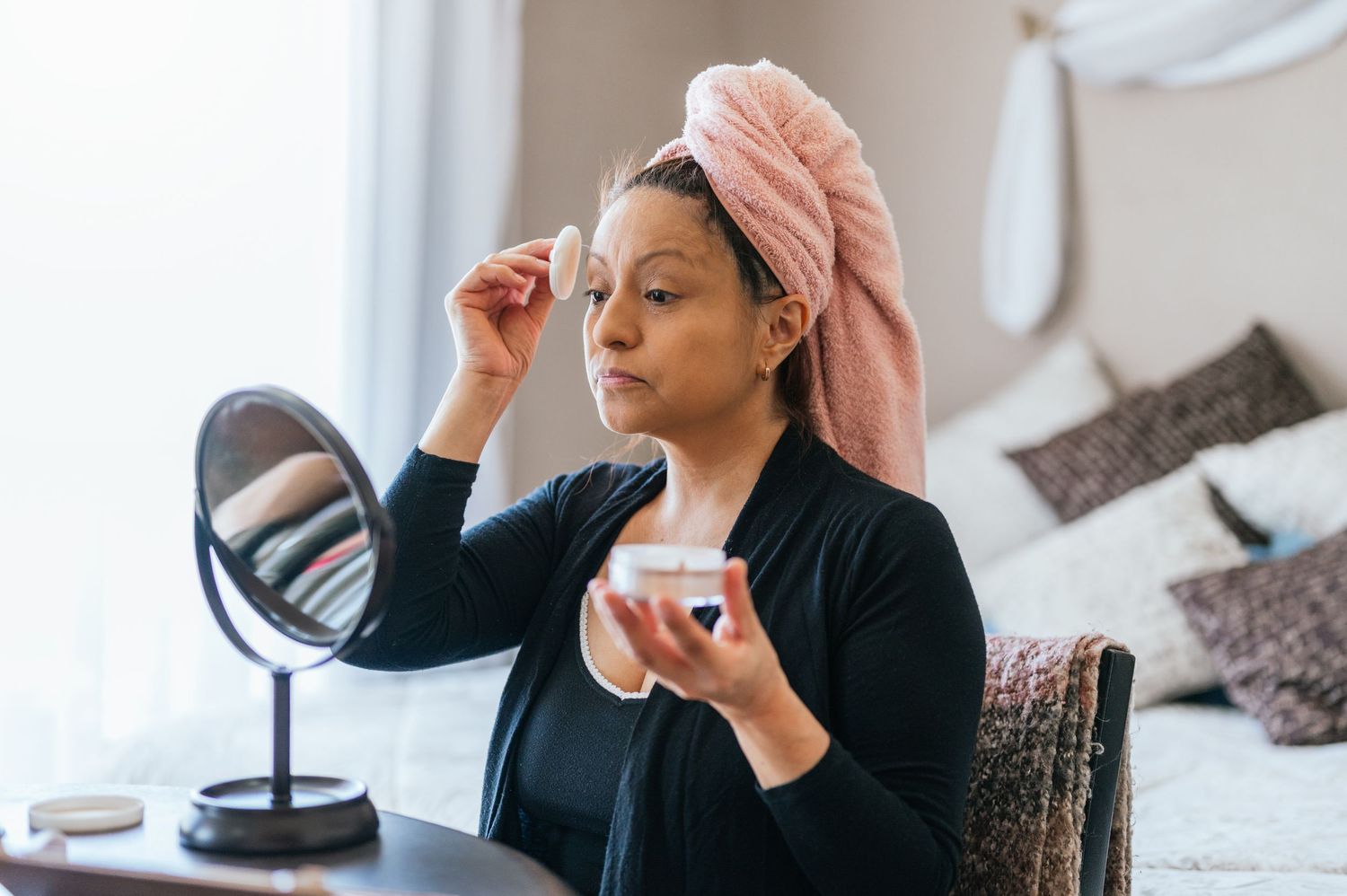
Apply primer (optional)
If your skin has texture (pores, fine lines), a smoothing primer helps. Otherwise for many people this can be skipped, just go straight to foundation/concealer.
Foundation / base
Use a light to medium coverage foundation (or tinted moisturizer / skin tint depending on how comfortable you are). Apply with a damp sponge or brush, blending down the jawline so there's no harsh line.
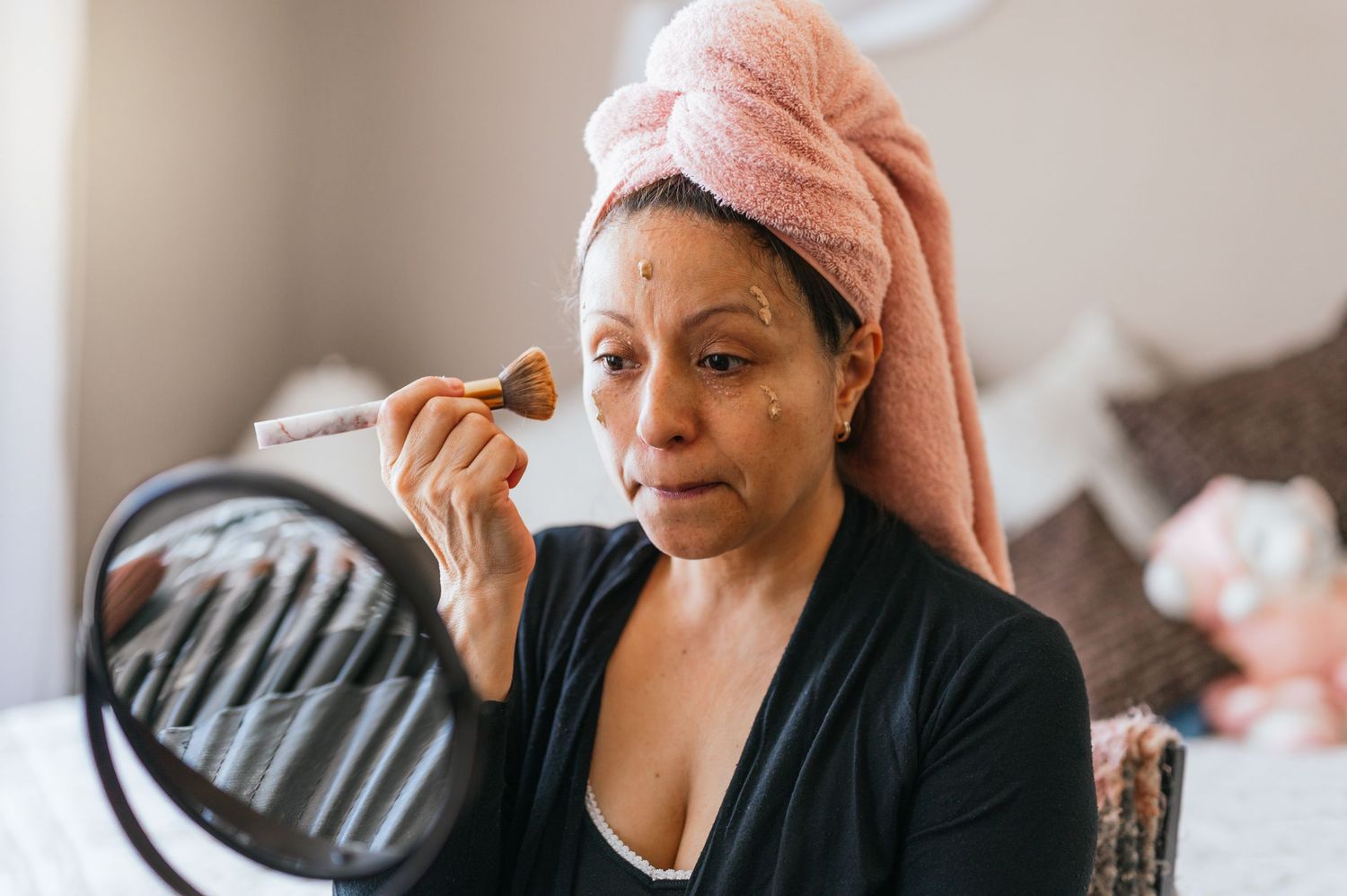
Concealer
Use concealer under the eyes, around the nose, and on any blemishes. Pick a shade that matches your skin tone; using one too light can look unnatural in daylight or studio lighting.
Set lightly
Apply a translucent powder in places that tend to get shiny, usually forehead, nose, chin. If your skin looks dry, skip powder on cheeks or use very little.
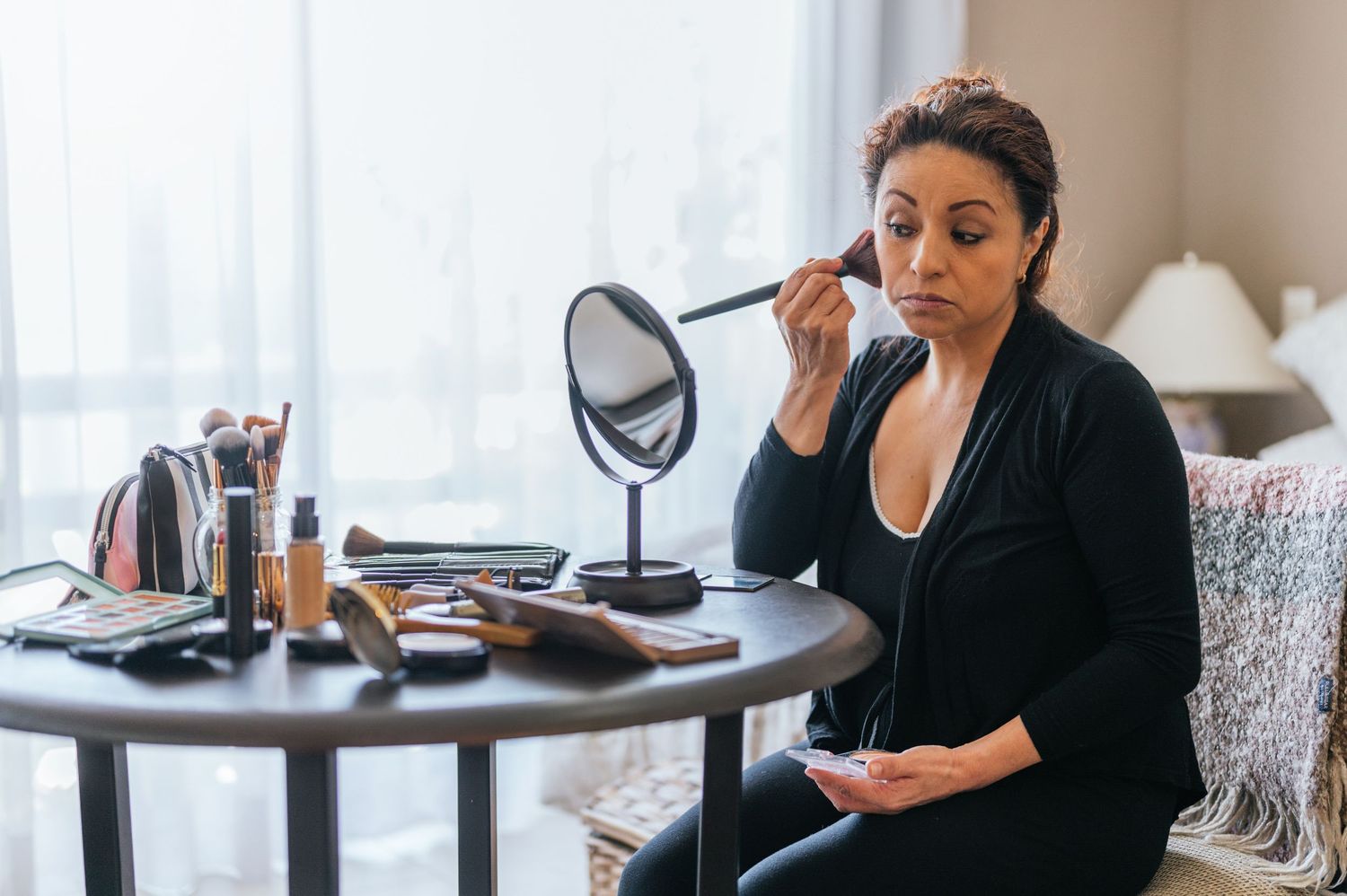
Brows
Shape & fill-in sparse areas. Use a pencil or powder with a shade close to your natural brow color. Brush through to soften. Use brow gel to hold shape.
Eyes
- Eyeshadow: soft neutrals (light browns, taupes, warm beiges). No heavy shimmer unless it's very subtle.
- Eyeliner: optional, but if used, keep it close to lash line, thin, and well-blended. Brown or soft charcoal tends to look more natural than jet black.
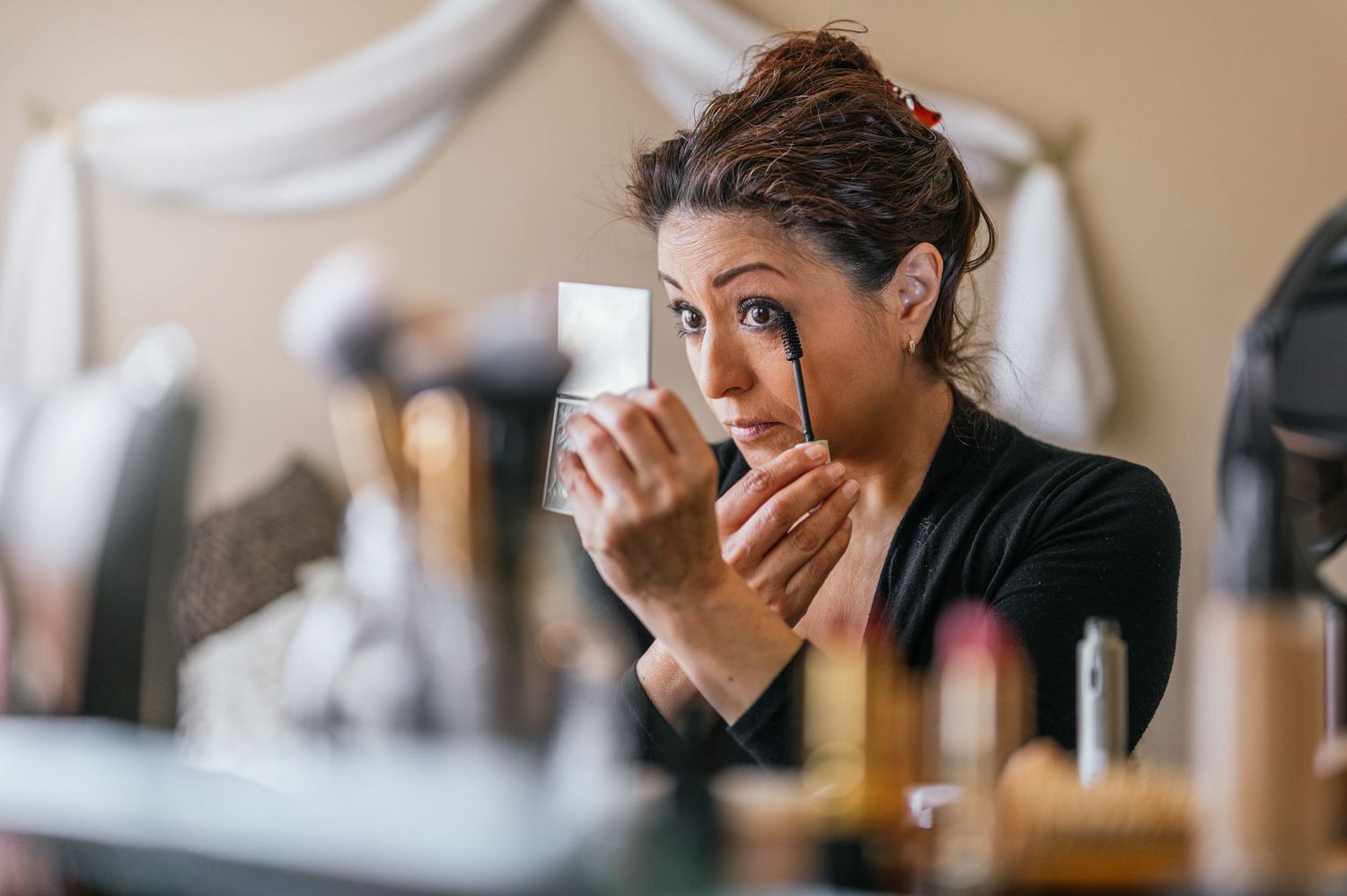
- Mascara: apply one light coat. Focus on roots to define lashes, wiggle slightly outward to open up the eyes.
Blush / Bronzer / Highlight
- Bronzer: very light contour just to define cheekbones or warm up complexion.
- Blush: a natural flush, applied to apples of cheeks, blended toward temples.
- Highlighter: soft glow on high points, top of cheekbones, bridge of nose, cupid’s bow, but not glittery. Smooth sheen works best.
Lips
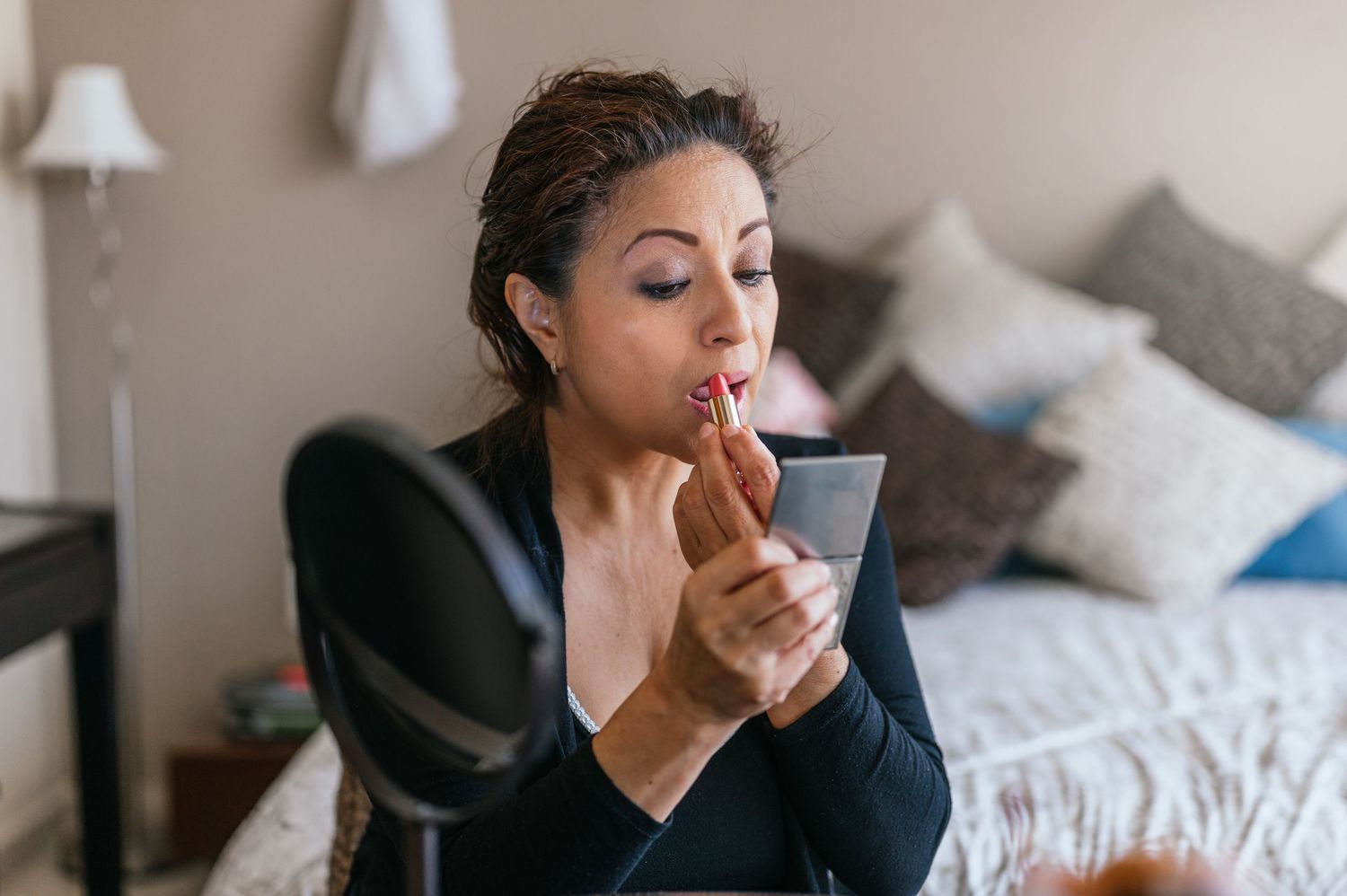
Choose a lip color close to your natural lip shade or slightly deeper. Creamy or satin finishes tend to photograph better than matte (they reflect light in a flattering way). If going gloss, pick something subtle so it doesn’t overpower.
What to Avoid
Here are some pitfalls that can make “natural” look forced or dated. Avoid these:
- Heavy foundation that looks cakey or creates mask lines
- Visible streaks of contour or harsh bronzer lines
- Extremely matte lips + very matte skin + heavy makeup overall (can look flat)
- Bright or neon colors around the face (eyeshadow, lip, blush) unless that’s your brand, then use in moderation
- Mismatched tones (foundation too pink or too yellow compared to your neck)
- Over-highlighting or glitter that reflects harshly in light
Lighting & Camera Tips to Compliment Makeup
Makeup doesn’t exist in a vacuum. How it looks depends heavily on lighting, lens, camera settings. To make your natural look shine:
- Soft, diffused lighting is your friend. It smooths skin and reduces harsh shadows.
- Avoid overhead lighting that casts dark shadows under eyes.
- Use fill light if possible to reduce contrast and illuminate features.
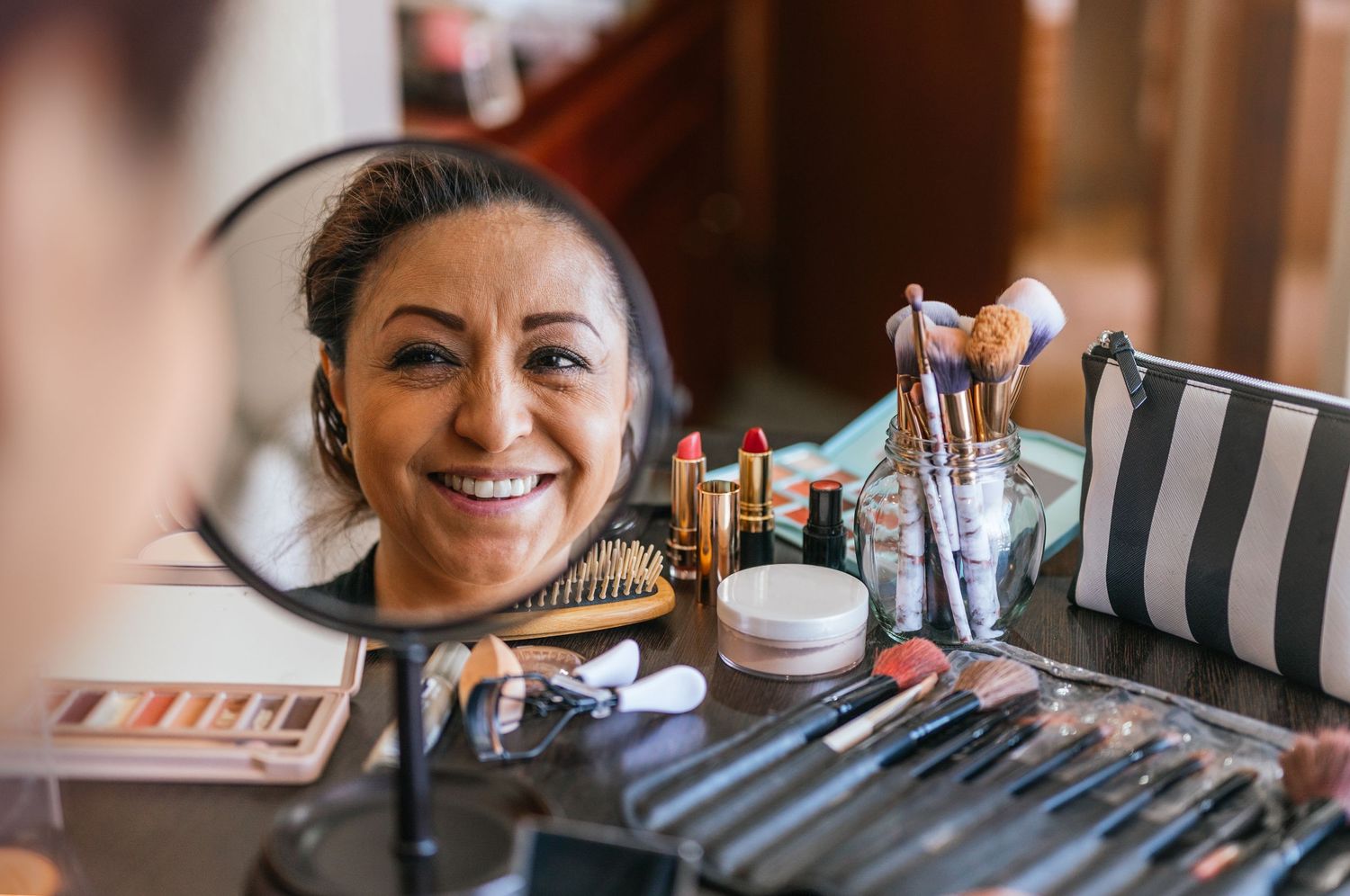
- Ensure the photographer checks with you between shots so you can see how things look on camera, sometimes what looks natural in mirror looks different under the lens.
Final Thoughts
Natural makeup for portraits is an art of balance: enough polish to look professional, but enough softness to be authentic. When done well, it says: I care about how I present myself, I’m confident in who I am, and I’m ready for the opportunities ahead.
Your headshot isn’t just a photo—it’s a visual handshake. Let’s make it count.
